學生內地考察學習成果分享

學生心聲節錄(一)
Through this trip to the Mainland, I have understood that the Reform and Opening-up policy—initiated in 1978 under Deng Xiaoping’s visionary leadership—has transformed Chinese Mainland from an impoverished, agrarian society into a global economic and technological powerhouse, lifting hundreds of millions out of poverty. Just like Guangdong, its outward-oriented economy has achieved high-speed development, which has driven comprehensive economic progress and continuously expanded the breadth and depth of opening up to the outside world. With Guangzhou and Zhuhai becoming the first batch of coastal open cities, the establishment of economic and technological development zones one after another, and the Pearl River Delta region becoming an economic open zone, the coastal areas of the east and west wings have been included in the scope of the economic open zone, and the pattern of Guangdong's all-round opening up to the outside world has begun to take shape. China has developed very rapidly in places closely connected to different places.
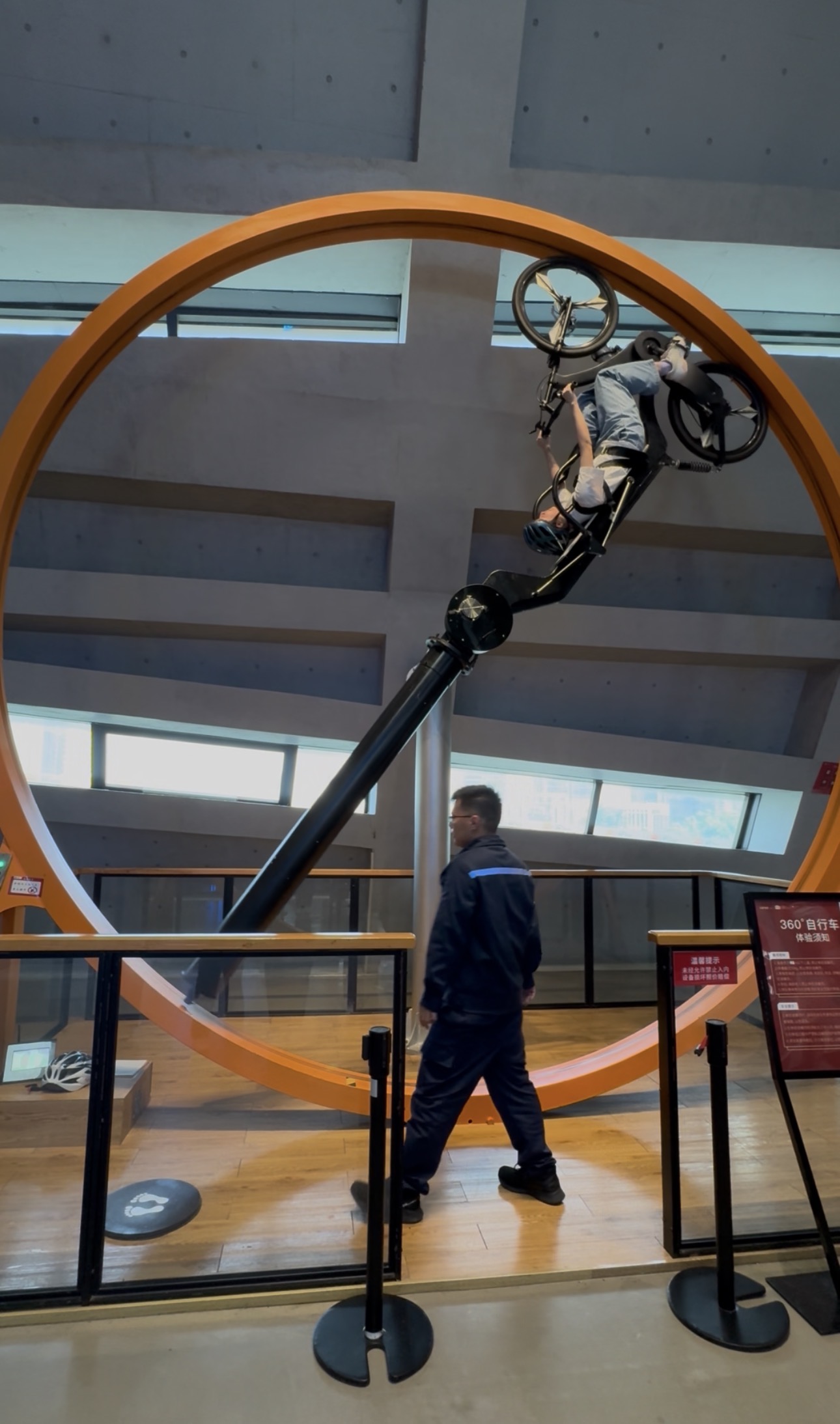
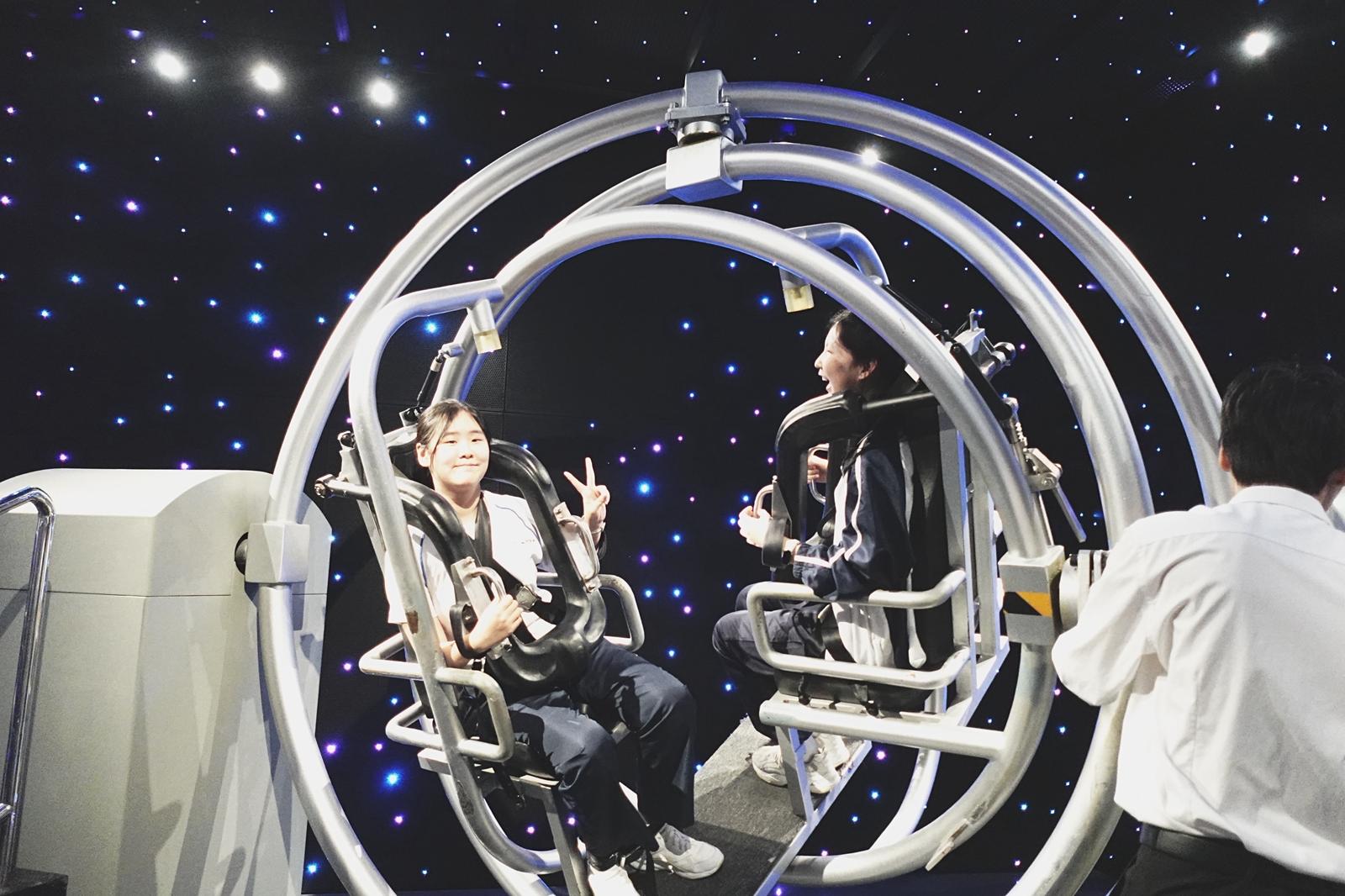
My study tour showcased China’s progress through its breathtaking modern infrastructure, innovative tech hubs, and dynamic cities. At the Shenzhen Youth Activity Centre, I watched a robot dog and experienced using a virtual reality headset, which made me truly appreciate China’s advanced technology. The virtual reality allowed me to fully immerse myself in different digital scenes—it was amazing! The innovation of Chinese companies is state-of-the-art. I also experienced the difference between space and land gravity, as well as the astronaut's inverted state without power, at the Red Cube Science and Technology Museum. I have come to deeply understand the rapid development of space exploration, and I feel so touched by it.
學生心聲節錄(二)
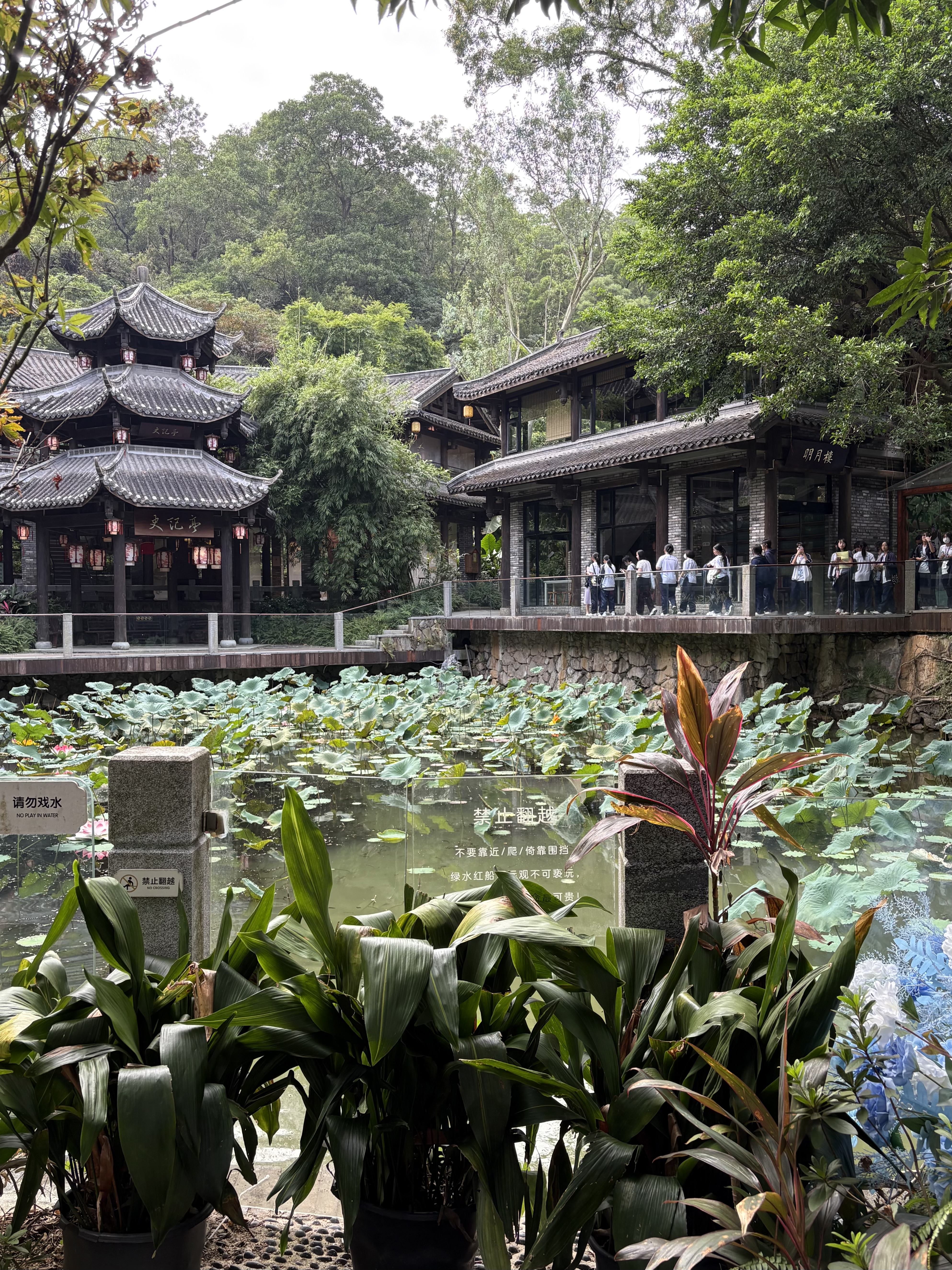
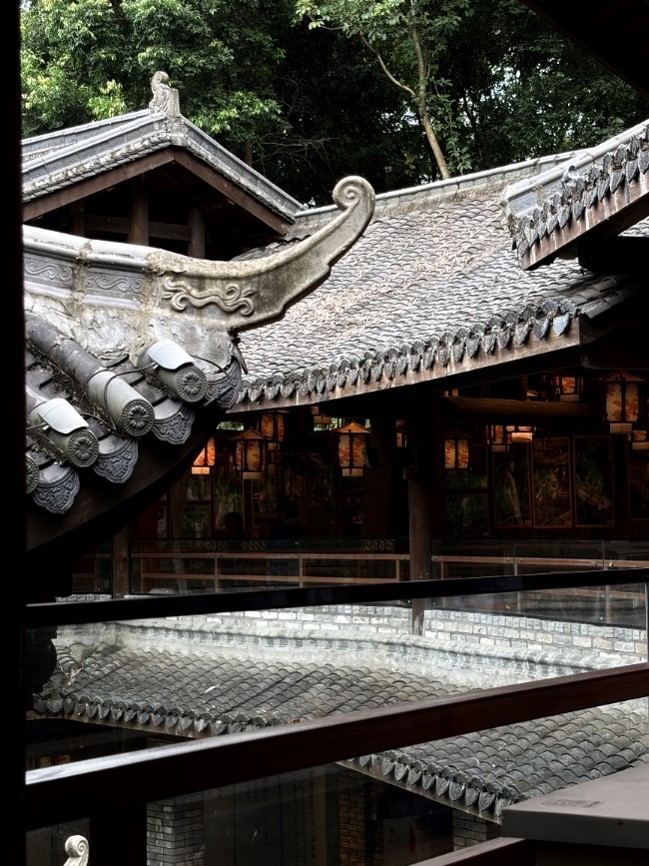
What impressed me equally was the seamless blend of tradition and modernity. At Hakka Gankeng Town, I observed how historical architecture and cultural heritage were preserved while being integrated into contemporary creative industries. Similarly, the Twenty-Four History Academy served as a space where classical literature and modern design coexisted, reflecting China's confidence in its cultural identity.
This trip made me realise that China's progress is not accidental. It is the result of visionary planning, relentless innovation, and a people-centred approach. As a student from Hong Kong, I feel a sense of responsibility to share these insights with others. I hope to leverage my bilingual skills to disseminate accurate information about China's achievements, helping my peers in Hong Kong and international friends gain a more comprehensive and truthful understanding of the nation's development. Looking ahead, I am motivated to explore interdisciplinary fields that combine technology, culture, and urban planning. This study tour has not only broadened my horizons but also inspired me to contribute to China's ongoing story of growth and transformation. By embracing both my cultural roots and a global perspective, I am confident that I can play a small but meaningful role in fostering deeper connections and mutual understanding.
寶血會上智英文書院

